


TL;DR
- The Great Ocean Road offers everything from basic bush campsites to luxury coastal hotels
- Camping suits adventure seekers, families who enjoy the outdoors, and anyone wanting to be close to nature
- Hotels suit first-time visitors, families with young children, couples on a getaway, and anyone travelling in winter
- Top campsites: Blanket Bay, Johanna Beach, and Aire River (all within Great Otway National Park)
- Hotel costs range from ~$80/night (budget) to $600+/night (luxury)
- Campsite fees typically run $20–$55/night depending on facilities
- Book everything in advance during peak season (December to January and school holidays)
Picking accommodation for a trip is genuinely difficult, especially when you’re travelling with people who have different ideas about what a good night’s sleep looks like. One person wants a campfire and stars overhead. Someone else wants a shower that’s actually warm and a bed with a proper mattress.
The Great Ocean Road has both, and choosing the right option shapes the whole experience. This guide breaks down what each type of stay involves, who it suits, what it costs, and what to expect when you get there.
Camping on the Great Ocean Road
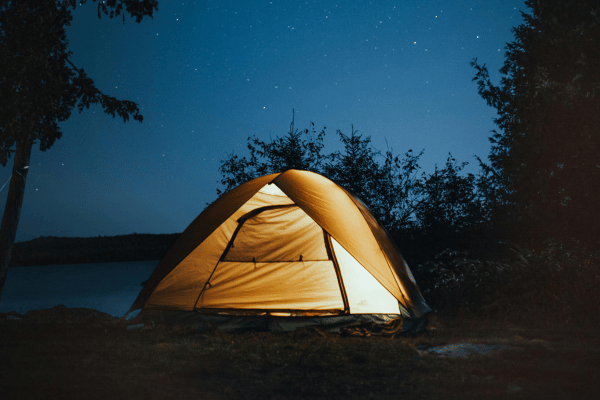
Camping on the Great Ocean Road means waking up to the sound of the Southern Ocean, spending evenings in the bush, and getting a version of the route that most visitors driving between points A and B simply don’t see. It takes a bit more preparation, but the payoff is real.
Best Time to Camp
Spring (September to November) and autumn (March to May) are the most reliable seasons. The weather is mild enough to be comfortable overnight, the crowds are manageable, and the light in the mornings is exceptional.
Avoid the height of summer if you can. January in particular brings extreme heat, fire risk in the Otways, and campsites packed to capacity. Bookings for peak summer sites open months in advance and fill within hours.
Winter camping is possible but demands preparation. Nights can drop close to zero in the Otways, rain is frequent, and some facilities reduce their hours. Experienced campers enjoy the solitude; everyone else generally finds it miserable.
Who Camping Suits
- Adventure seekers who want a more immersive experience of the coast and the Otways
- Families who enjoy the outdoors and want space for kids to move freely between stops
- Couples looking for something different from a standard hotel getaway
- Solo travellers who are comfortable with remote settings and self-sufficient on the road
- Nature lovers wanting to be genuinely in the environment rather than looking at it through a car window
What to Expect
Great Ocean Road campsites range from basic bush camping with pit toilets and no power, to more developed sites with powered sites, amenities blocks, and sometimes a camp kitchen.
In the national park areas managed by Parks Victoria, facilities are typically minimal: pit or composting toilets, picnic tables, fire rings or designated BBQ areas, and a water tank that may or may not be treated. Pack your own drinking water.
More developed commercial sites near Apollo Bay and Lorne offer powered sites, hot showers, laundry facilities, and camp kitchens. These suit families or anyone travelling with a caravan.
Essential Items to Pack
- Tent rated for variable weather (winds off the Southern Ocean are stronger than they look on a forecast)
- Sleeping bag rated for temperatures down to 5°C or below, even in summer
- Rain jacket and waterproof layer for the Otways
- Insect repellent, particularly for evenings near the river camping areas
- Sunscreen SPF 50+ (coastal wind masks how strong the UV is)
- Torch or headlamp with spare batteries
- Drinking water, at least 2L per person per day beyond what’s in a tank
- Firewood if using a fire ring (collection within national parks is prohibited)
Recommended Campsites
Blanket Bay (Great Otway National Park)
Set at the end of a sealed road off the Cape Otway Lightstation access road, Blanket Bay is one of the most scenic campsites on the route. The site sits above a protected cove with views of Bass Strait. Facilities are basic: pit toilets, no power, no showers. The trade-off is a setting that’s hard to match.
Cost: approx. $30–$40/night per site (Parks Victoria booking required)
Johanna Beach Campground
About 25km past the 12 Apostles turnoff, Johanna Beach is a wild, exposed surf beach popular with experienced surfers and anyone wanting remoteness. The campsite sits behind the dunes. Facilities are basic. It’s not suitable for very young children given the beach conditions, but for the right group it’s one of the most memorable spots on the route.
Cost: approx. $20–$30/night per site (Parks Victoria fee applies)
Aire River Campground (Great Otway National Park)
Situated near the Aire River estuary, about 20km from Cape Otway, this site is well-suited to families. It’s sheltered from coastal winds, has reasonable facilities, and koala sightings in the surrounding gums are common. A good base for day trips into the national park.
Cost: approx. $25–$35/night per site (Parks Victoria booking required)
Staying in a Hotel on the Great Ocean Road
A hotel stay removes most of the variables: you know the bed will be comfortable, the shower will work, and you won’t be packing up a wet tent in the morning. For many travellers, that predictability makes the whole trip easier to enjoy.
Who Hotel Stays Suit
- First-time visitors who want to focus on the attractions rather than managing a campsite
- Families with very young children who need reliable facilities and structured routines
- Couples on a romantic getaway looking for a more comfortable base between stops
- Travellers visiting in winter when wet, cold nights make camping significantly less appealing
- Anyone who prefers comfort and convenience without apology
Types of Hotels and Cost
| Type | What to expect | Approx. cost per night |
|---|---|---|
| Budget | Basic motel rooms, shared or simple en-suite, limited amenities | $80–$150 |
| Mid-range | Hotel or B&B with private en-suite, breakfast sometimes included | $150–$300 |
| Luxury | Resort-style accommodation, ocean views, on-site dining, spa facilities | $300–$600+ |
Prices vary significantly by season. Expect to pay 30–50% more during January and school holidays compared to shoulder season rates.
What to Expect
Most hotels along the Great Ocean Road offer private en-suite bathrooms, daily housekeeping, reliable Wi-Fi, and on-site dining or easy access to local restaurants. Luxury properties in Lorne and Apollo Bay include spa facilities, ocean-view rooms, and concierge services.
One thing to plan for: hotels in popular towns fill quickly. Apollo Bay and Lorne both have limited accommodation stock, and weekend bookings during summer can sell out three to four months in advance. If you have specific dates, book as early as possible.
Camping VS Hotels: Which One is Right for You?
The honest answer depends on who you’re travelling with, what time of year you’re going, and what kind of experience you’re actually after.
| Factor | Camping | Hotels |
|---|---|---|
| Cost | $20–$55/night | $80–$600+/night |
| Comfort | Basic to moderate | Moderate to high |
| Flexibility | Book ahead for peak sites | Book ahead for peak dates |
| Best season | Spring and autumn | Year-round |
| Suits | Outdoor enthusiasts, independent travellers | First-timers, families with young kids, couples |
| Facilities | Pit toilets to powered sites | En-suite, Wi-Fi, on-site dining |
| Experience | Immersive, close to nature | Comfortable, convenient |
| Setup time | 30–60 min per site | None |
If you’re unsure, consider splitting the difference: camp for part of the trip and book a hotel for one or two nights. Many travellers camp in the national park sections (Otways, Cape Otway) and switch to a hotel when they reach Port Campbell or Lorne.
Conclusion
Camping and hotels offer genuinely different versions of the Great Ocean Road. Camping puts you inside the environment: the bird noise at dawn, the cold air off the ocean at night, the sky when there’s no light pollution. Hotels give you a comfortable base to return to after a long day of driving and walking.
Neither is the wrong choice. The right one depends on your group, your season, and how much of the experience you want to manage yourself. Plan your accommodation around that, and the rest of the trip will follow.
Ready to plan your stay? View our guided tours here.
Frequently Asked Questions
What types of accommodation are available on the Great Ocean Road?
The range is broad. Options include national park campsites (basic, bush-style), holiday parks with powered sites, B&Bs, standard motels, mid-range hotels, and luxury resort properties. The main accommodation hubs are Torquay, Anglesea, Lorne, Apollo Bay, and Port Campbell.
When is the best time to camp on the Great Ocean Road?
Spring (September to November) and autumn (March to May) are the best windows. The weather is mild, sites are available without months-ahead booking, and the conditions for hiking and beach stops are more consistent. Avoid January if you can: it’s hot, crowded, and peak-season prices apply across the board.
Where can travellers free camp on the Great Ocean Road?
Free camping options are limited on the Great Ocean Road. Parks Victoria manages most of the coastal and national park campsites and charges a nightly fee. A small number of roadside rest areas permit overnight stays, but these are not formally designated campsites. Before planning a free camping stop, check the Parks Victoria website for current rules, as regulations change and some areas that were historically free now require booking and payment.
Camping or hotels on the Great Ocean Road – which is better?
Better depends on your priorities. Camping gives you a more immersive experience of the coast and the Otways, costs significantly less, and suits travellers who are comfortable being self-sufficient. Hotels are easier, more comfortable, and better suited to travellers who want to focus entirely on the attractions without managing a site. Many people do a mix of both across a multi-day trip.
What types of accommodation on the Great Ocean Road are best for families with kids?
It depends on the ages. Families with young children (under 5) generally do better in hotels or holiday parks with proper bathroom facilities and space indoors for early mornings and wet weather. Families with older kids who enjoy the outdoors often find camping at sites like Aire River works well, particularly in the warmer months.
What types of accommodation on the Great Ocean Road are best for solo travellers?
Campsites and hostels suit solo travellers well, both for cost and for the social environment they often provide. Solo travellers comfortable with remote settings enjoy Blanket Bay and Johanna Beach in particular. For those who prefer a room, Apollo Bay has a range of budget and mid-range options that don’t require booking a double at a couple’s rate.
What types of accommodation on the Great Ocean Road are best for couples?
Couples on a getaway tend to do best at boutique B&Bs or luxury hotels in Lorne and Apollo Bay, where ocean views, good restaurants nearby, and a quieter atmosphere combine well. For couples who enjoy camping, Blanket Bay is one of the most sought-after sites on the route for exactly that reason. Book well in advance for either option during peak periods.
What types of accommodation on the Great Ocean Road are best for adventure and nature seekers?
Camping in Great Otway National Park is the clear choice. Blanket Bay, Johanna Beach, and Aire River all sit within or near the national park, giving you direct access to walking tracks, wildlife, and coastline that’s genuinely remote. Pair a national park campsite with early morning hikes and you’ll see parts of the Great Ocean Road that most visitors never reach.
Other Tips & Articles
Check out our other Great Ocean Road Tours


