


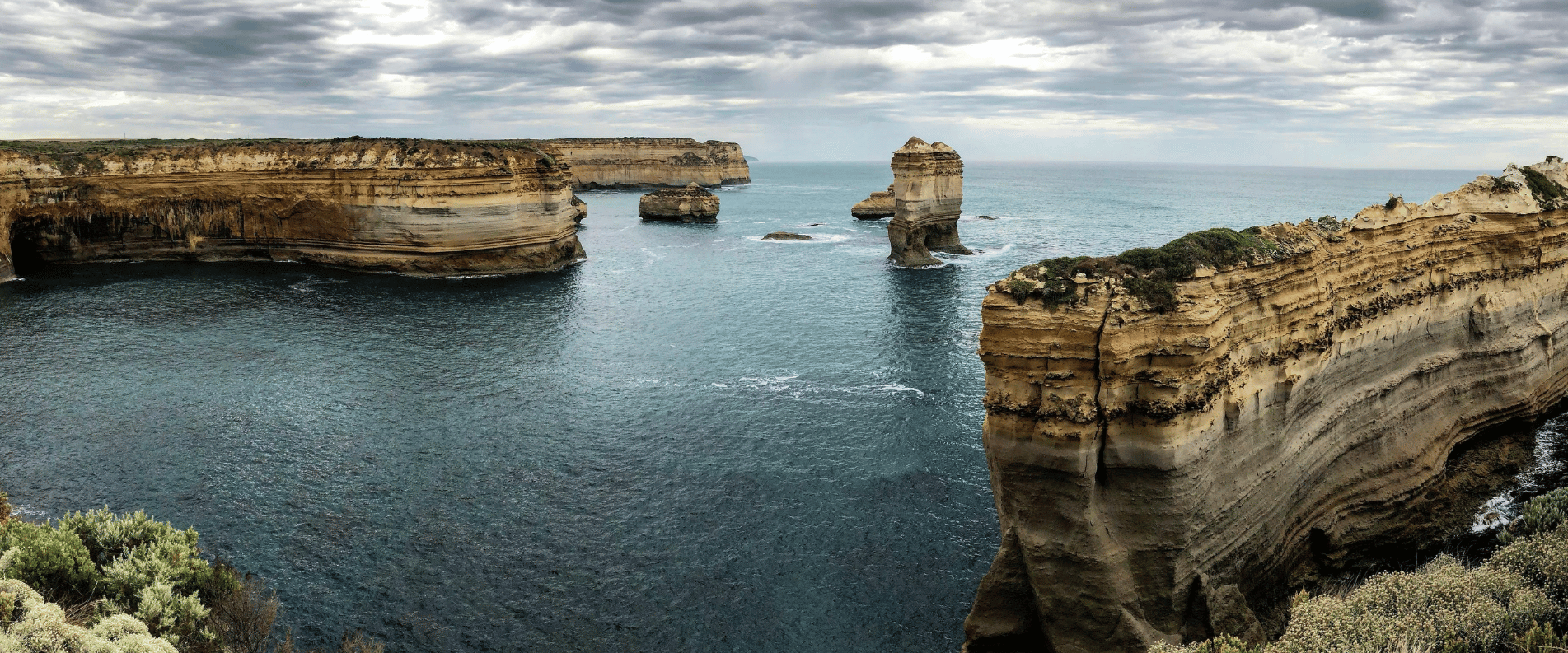
Researchers from Melbourne Uni discovered something incredible in the ocean…
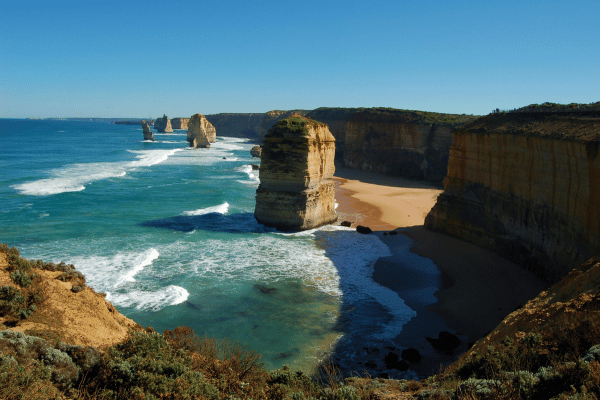
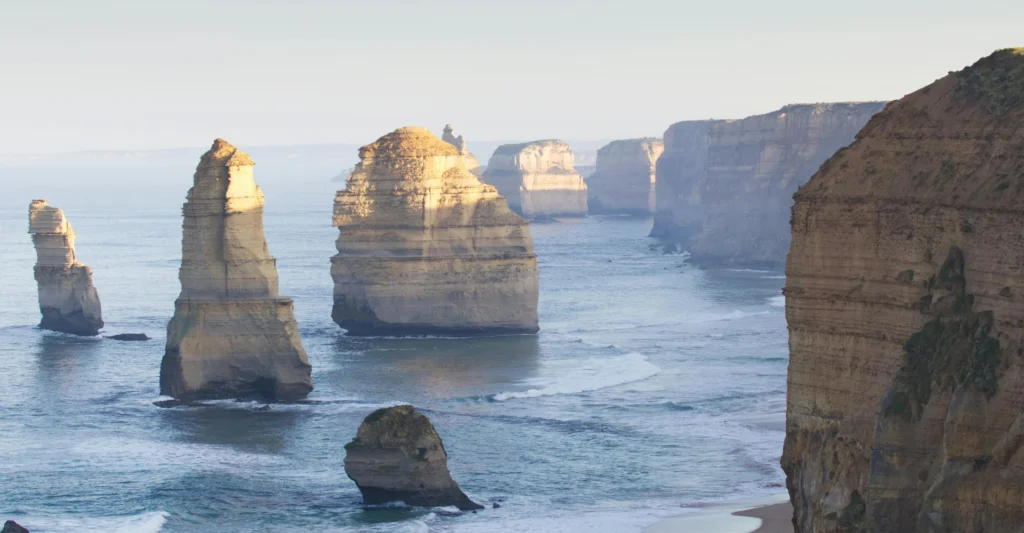
Around ten years ago, marine researchers discovered something incredible alongside the Great Ocean Road. They found limestone rock stacks underneath the water’s surface that are giant rock stacks, mimicking the shape of the 12 Apostles. They’ve been nicknamed the ‘Drowned Apostles.’
These rock stacks lie under the water’s surface, completely concealed from the human eye.
The Great Ocean Road’s coastline is formed from millions of years, where this region was submerged beneath a shallow inland sea. Over time, layers of shells and marine sediment compressed into limestone.
The ‘Drowned Apostles’ were discovered through SONAR
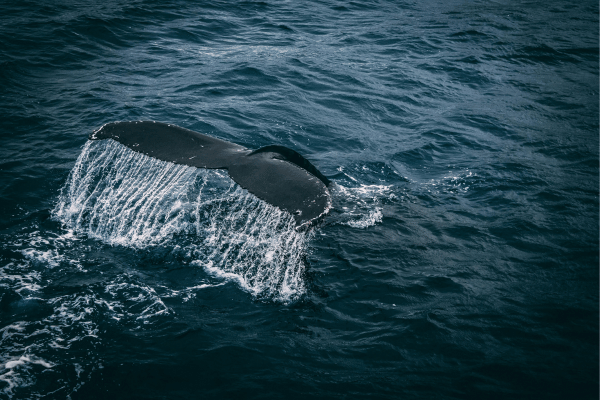
The limestone stacks were discovered through SONAR (Sound Navigation and Ranging) technology. Sound waves are shot through the water, and the distance/rate at which they bounce back tells us how big they are.
Dolphins and whales use SONAR to communicate with one another and navigate underwater! The marine researchers who found these ‘Drowned Apostles’ used the same echolocation methods to find these hidden rock stacks.
Sonar mapping can give you information about what’s happening on the ocean floor and what it looks like.
Thriving underwater marine life
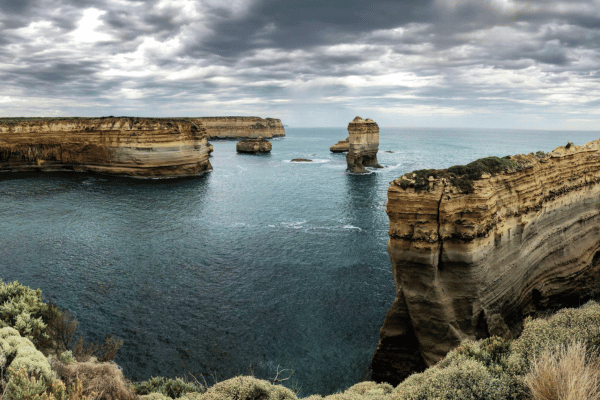
Unlike the stacks above water, which are exposed to wind and weather, these submerged formations are cloaked in marine life.
Barnacles, sea sponges and other ocean organisms cling to the limestone surfaces, transforming them into thriving underwater ecosystems. Fish weave in and out of the crevices on the rocks, and barnacles grow on the surfaces of the rocks. They are thought to be around 60,000 years old!
So when you travel to the Great Ocean Road next, just think of these rock stacks underneath the waves! There’s a whole underwater world under the waves!
Other Tips & Articles

Check out our other Great Ocean Road Tours


