


TL;DR
- The Great Ocean Road runs 243km along Victoria’s south-eastern coast
- Three days covers all the major stops without feeling rushed
- Day 1: Melbourne to Apollo Bay, with stops at Split Point Lighthouse and the Memorial Arch
- Day 2: Great Otway National Park, Cape Otway Lightstation, and the 12 Apostles
- Day 3: Loch Ard Gorge, London Bridge, then back to Melbourne
- Spring (Sept–Nov) and autumn (Mar–May) are the best times to visit
The Great Ocean Road runs 243km along Victoria’s south-eastern coast, from Torquay to Allansford. It passes surf towns, ancient rainforest, and the limestone stacks of the Shipwreck Coast. It was built between 1919 and 1932 by returned WWI soldiers as a living war memorial, which gives the whole thing a layer of history that most scenic drives don’t have.
Three days lets you see every major attraction without spending most of the trip in the car. It works for families and couples alike, and the pace below leaves room to stop when something catches your eye.
Great Ocean Road Tour: Day 1 Itinerary
Melbourne to Apollo Bay via Split Point Lighthouse and the Memorial Arch
Day 1 starts in Melbourne and tracks west along the coast. Geelong is your first stop, then Torquay, where the Great Ocean Road officially begins. The scenery builds steadily from there.
| Stop | Drive from previous stop | Suggested time on site |
| Geelong | 75km / ~1 hr from Melbourne | 30–45 min |
| Torquay (road start) | 22km / 20 min | Brief stop |
| Split Point Lighthouse | 25km / 25 min | 45–60 min |
| Memorial Arch | ~12km / 15 min | 15–20 min |
| Lorne | 20km / 20 min | Lunch stop |
| Apollo Bay | 45km / 45 min | Overnight |
Geelong
Geelong’s waterfront is a good breakfast stop before you hit the road. It’s 75km from Melbourne and a natural break point before you reach Torquay and the start of the coastal drive.
Split Point Lighthouse
The Split Point Lighthouse has operated at Aireys Inlet since 1891. Walk the grounds for free, or pay to tour the lighthouse tower itself. The views from the headland back towards Torquay are worth the 10-minute climb.
- Entry: Free to grounds; paid tours available for the lighthouse tower
- Suggested time: 45–60 minutes
- Tip: Arrive early. Tour buses fill the carpark from mid-morning onwards.
Memorial Arch
A short drive further along the coast brings you to the Memorial Arch, marking the official start of the Great Ocean Road. This arch honours the soldiers who built the road by hand over 13 years. It’s a 15-minute stop, but reading the history here adds something to the rest of the drive.
- Entry: Free
- Suggested time: 15–20 minutes
Apollo Bay
Apollo Bay is where you’ll stay the night. It’s a proper coastal town with restaurants, a Saturday morning farmers’ market, and easy beach access. Stock up on supplies before Day 2. The road heads into the Otways, and towns become sparse.
Great Ocean Road Tour: Day 2 Itinerary
Great Otway National Park to the 12 Apostles
Day 2 covers the nature and the landmarks. The morning goes through the Otways rainforest; the afternoon ends at the 12 Apostles. It’s the most varied day of the three.
| Stop | Drive from previous stop | Suggested time on site |
| Mait’s Rest (Otway NP) | 17km / 20 min from Apollo Bay | 45–60 min |
| Cape Otway Lightstation | 21km side road / 25 min | 1–1.5 hrs |
| 12 Apostles | 47km / 50 min | 1–2 hrs |
| Port Campbell | 14km / 15 min | Overnight |
Great Otway National Park
Leaving Apollo Bay, the road climbs into the Otway Ranges. The landscape changes quickly. Surf coast gives way to temperate rainforest, ferns, and tall eucalypts. Stop at Mait’s Rest for a short boardwalk through old-growth forest. Allow about 45 minutes. It’s easy walking and gives you a clear sense of what makes the Otways distinct from the coastal sections.
Keep an eye on the trees along this stretch. Koalas are common in the Otways and often visible wedged into the fork of a manna gum.
- Entry: Free (day-use fee may apply at some carparks)
- Suggested time: 1–2 hours
Cape Otway Lightstation
Turn off the main road about 21km past Mait’s Rest and follow the sealed road to Cape Otway. This is Australia’s oldest surviving lighthouse, built in 1848. The entry fee covers the lighthouse, the telegraph station, and the grounds. It’s one of the few stops on the route where the history is as compelling as the view.
- Entry: Approx. $20 adults, $10 children (verify current prices before visiting)
- Suggested time: 1–1.5 hours
- Tip: Koalas are frequently spotted in the trees along the access road. Slow down and look up.
12 Apostles
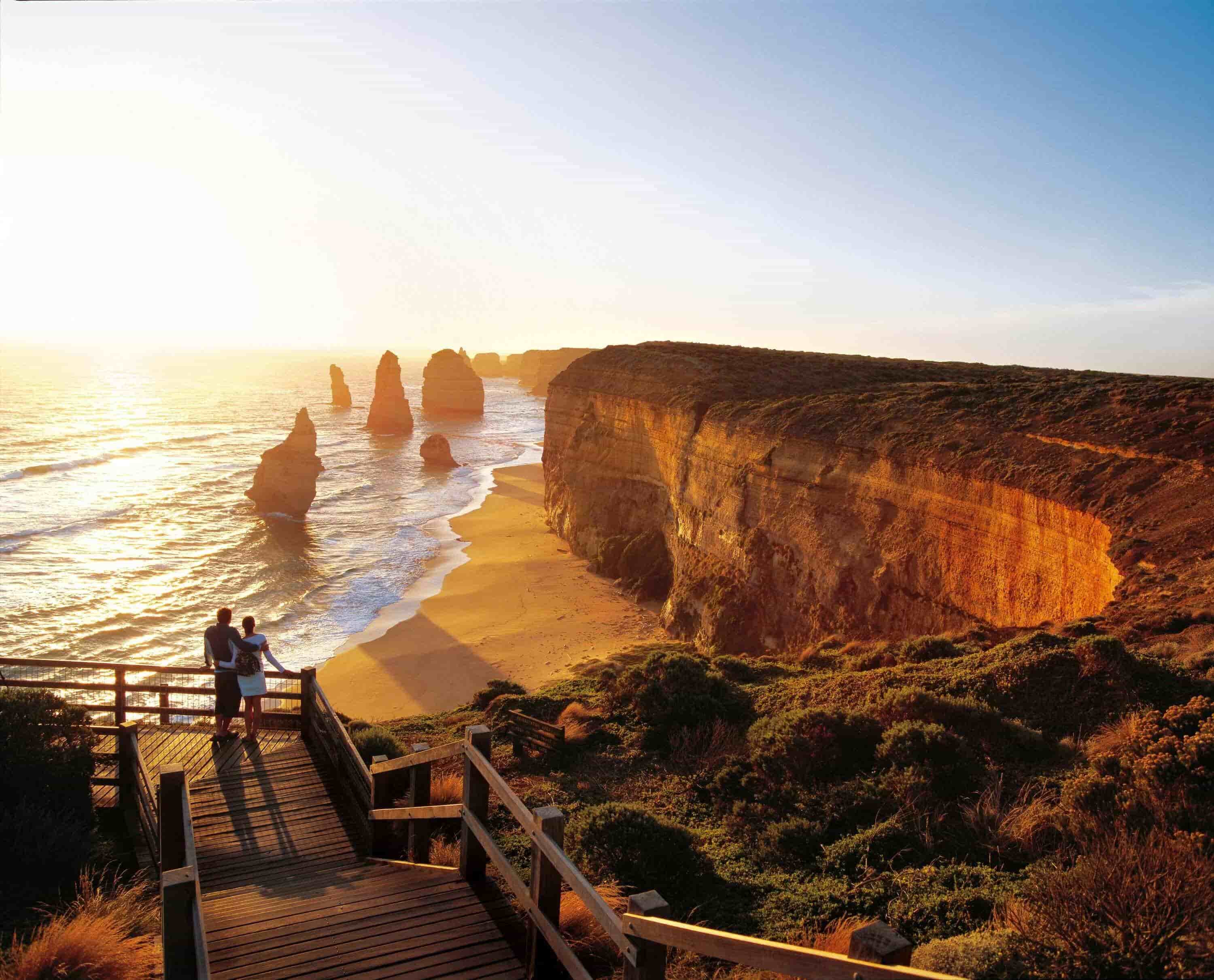
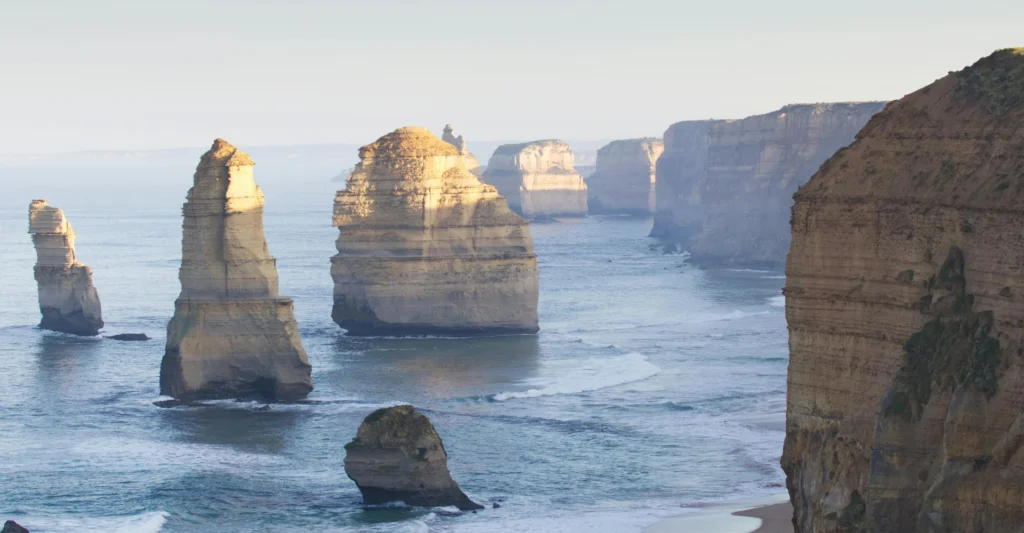
These limestone stacks rise from the Southern Ocean off Port Campbell National Park, shaped by millions of years of coastal erosion. There were nine when the site was first officially named; erosion has reduced that number further. The viewing platforms are free, and multiple lookouts let you walk the full length of the site.
Late afternoon light on the stacks is excellent. If your timing allows, aim to arrive around 4–5pm.
- Entry: Free
- Suggested time: 1–2 hours
- Best time: Late afternoon for the light; sunrise works well if you’re staying in Port Campbell. Stay overnight in Port Campbell, 14km further along the road.
Great Ocean Road Tour: Day 3 Itinerary
Port Campbell to Melbourne via Loch Ard Gorge and London Bridge
Day 3 covers the remaining highlights before the drive home. The main stops are within a few kilometres of each other, so there’s no rushing.
| Stop | Drive from previous stop | Suggested time on site |
| Loch Ard Gorge | 3km / 5 min from Port Campbell | 45–60 min |
| London Bridge | 11km / 10 min | 20–30 min |
| Return to Melbourne | ~280km / 3.5 hrs via Princes Hwy | — |
Loch Ard Gorge
Loch Ard Gorge sits 3km from the 12 Apostles and stops a lot of people in their tracks. The gorge is named after the clipper ship Loch Ard, which wrecked on the reef nearby in 1878 with the loss of 52 lives. Only two people survived. That history changes how you stand on the beach at the base of the gorge, which is sheltered and often calm, even when the open sea beyond is rough.
Walk down to the sand for the best view of the gorge walls, then take the upper lookout for a wider perspective.
- Entry: Free
- Suggested time: 45–60 minutes
London Bridge
Originally a double-arched rock platform connected to the mainland, London Bridge lost its outer arch in January 1990 when it collapsed without warning into the sea. Two tourists were stranded on the isolated section and had to be rescued by helicopter. What remains is a natural arch standing separate from the shore. It’s a 10-minute walk from the carpark.
- Entry: Free
- Suggested time: 20–30 minutes
Return to Melbourne
From London Bridge, it’s roughly 280km back to Melbourne via the Princes Highway through Warrnambool. Allow 3 to 3.5 hours. If you want one last stop, Port Fairy is 90km past London Bridge, a small historic town with a well-preserved streetscape and a decent bakery.
Conclusion
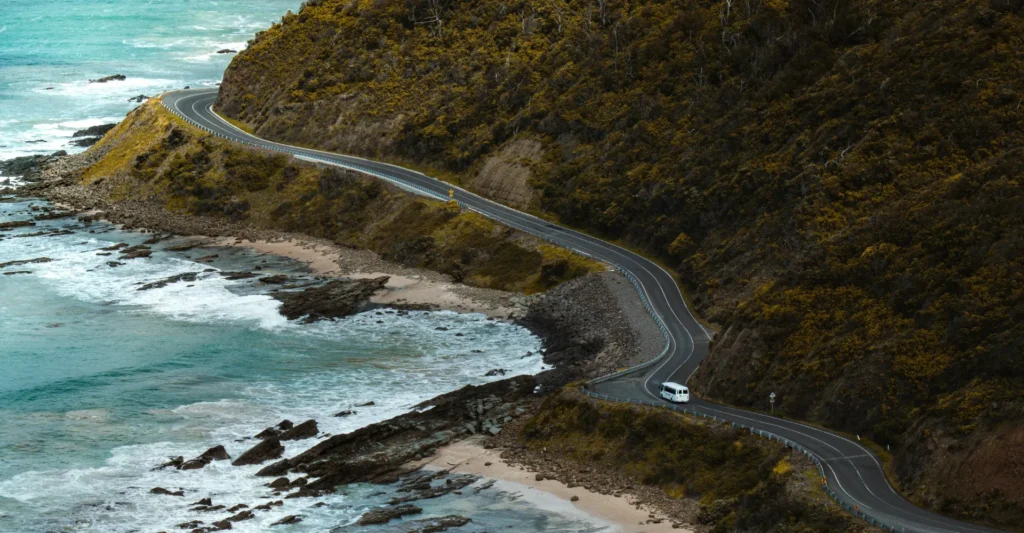
This 3-day Great Ocean Road itinerary gets you to every major stop along the route, with enough time at each to actually take it in. The road between them is part of it too: sections where the Southern Ocean fills your window, then forest so dense it blocks the light.
Ready to book? Browse our Great Ocean Road tours or view all attractions along the route.
Frequently Asked Questions
How many days do you need for the Great Ocean Road?
Three days is the recommended minimum for the main highlights. Two days is doable but means limited time at each stop. Five days lets you slow down, take detours like the Grampians, and spend more time in towns like Lorne without feeling like you’re racing the clock.
What are the must-visit attractions along the Great Ocean Road?
The 12 Apostles are the biggest draw, but Loch Ard Gorge, Cape Otway Lightstation, and the Otway rainforest walks are worth equal time. Most visitors find the Otways section the biggest surprise. The contrast with the coastal scenery is sharper than they expected.
What is the best time of year to visit the Great Ocean Road?
Spring (September to November) and autumn (March to May). The weather is mild, accommodation is available without booking months ahead, and the road is far less congested than during the January school holidays. Winter visits are quiet but days are short, and some smaller sites reduce their opening hours.
Are there any nature experiences along the Great Ocean Road?
Several. The Great Otway National Park has rainforest walks, waterfalls, and reliable koala sightings year-round. The access road to Cape Otway Lightstation is another good koala spot. Between June and September, southern right whales and humpbacks migrate along the coast near Warrnambool.
Is the Great Ocean Road suitable for families and couples?
Yes to both. Families will find plenty for kids: beaches, lighthouses, rainforest walks, and a near-certain chance of spotting a koala or two. Couples tend to prefer visiting outside school holiday periods when the most popular stops are far less crowded.
Other Tips & Articles

Check out our other Great Ocean Road Tours


